Seventy Sheets, One World - Al Idrisi's Map


Entry by: Cluster Labs // 17.08.2026
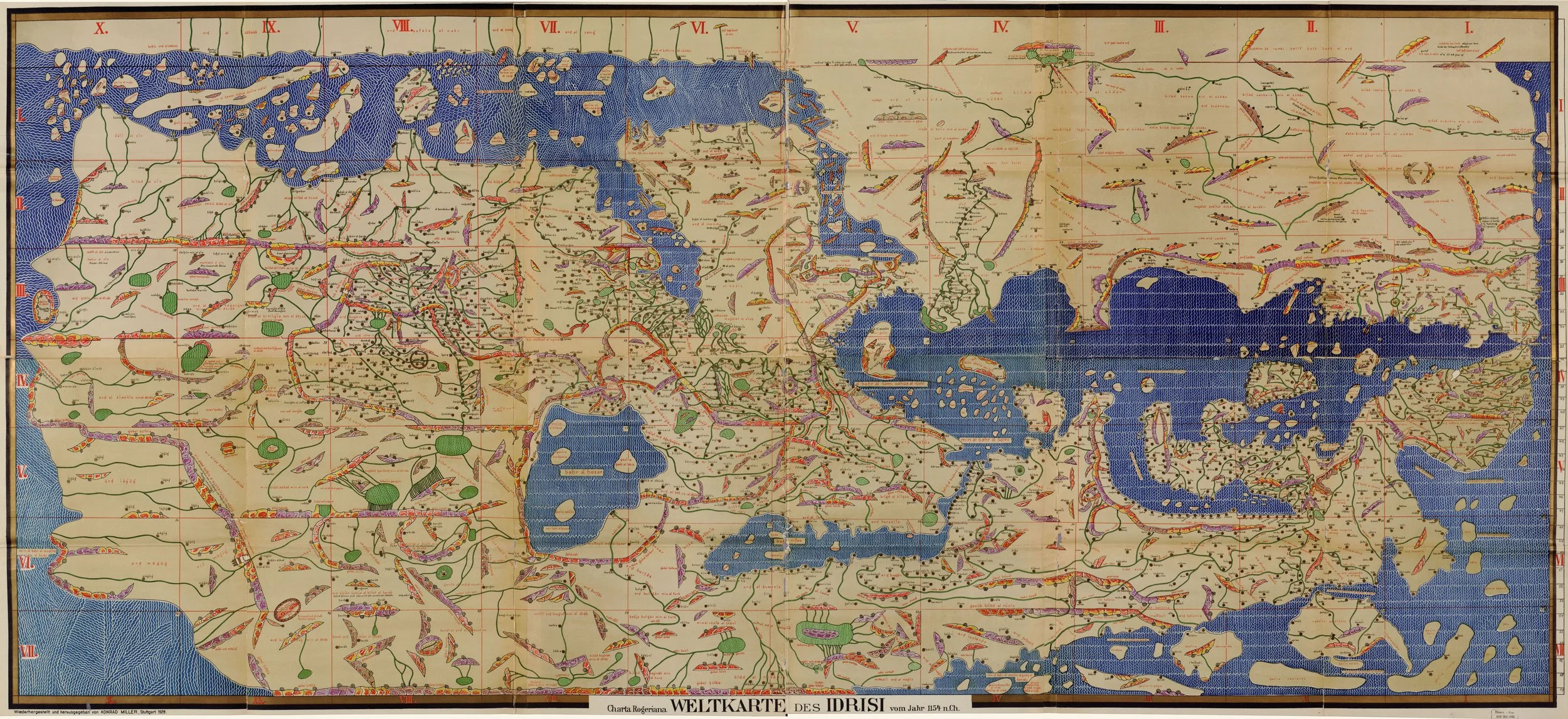
Al Sharif Al Idrisi was commissioned by the Norman court at Palermo to produce a description of the known world. The project ran about fifteen years and finished in 1154. Roger II backed it with the resources of the kingdom: access to the court's contacts, the standing to question travellers arriving in Sicily, and by most accounts expeditions sent out to check specific claims and learn form the world.
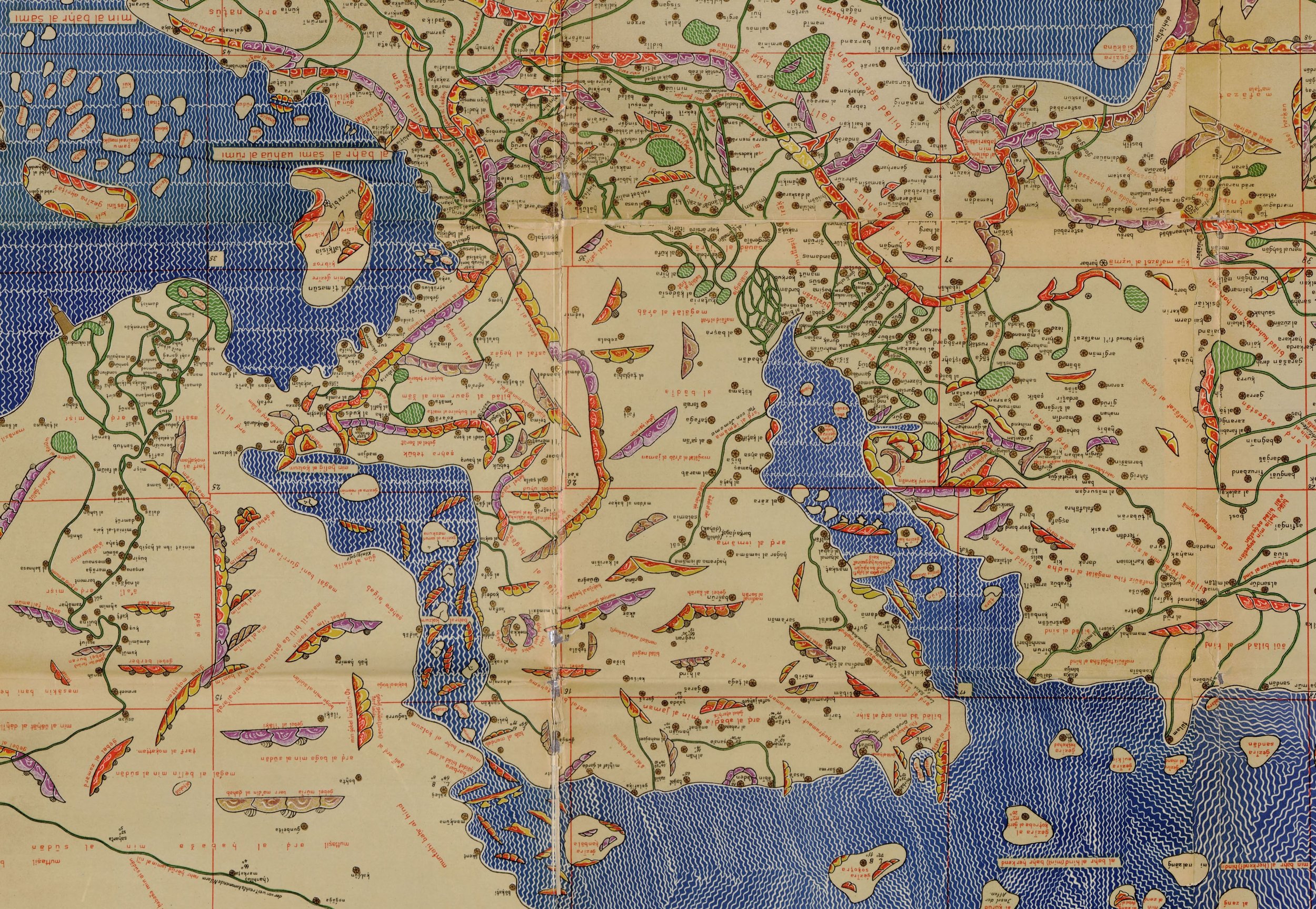
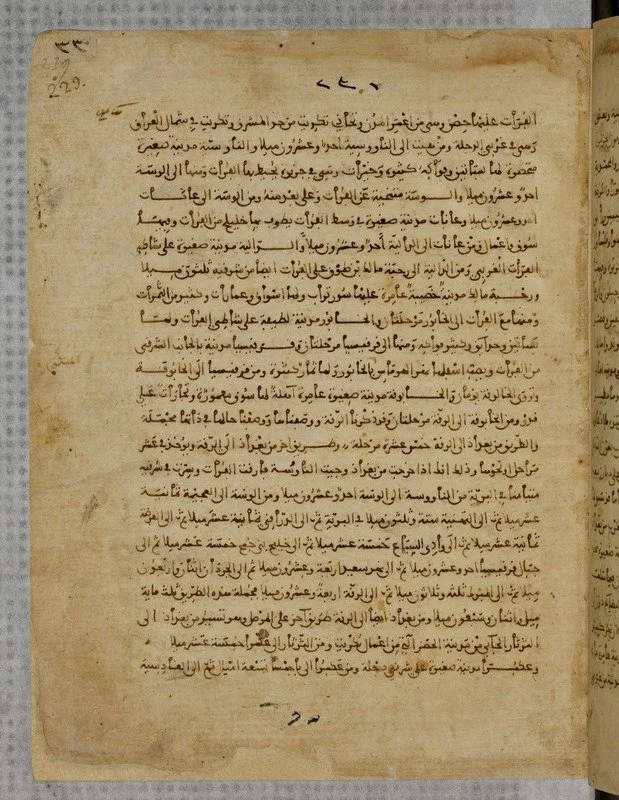
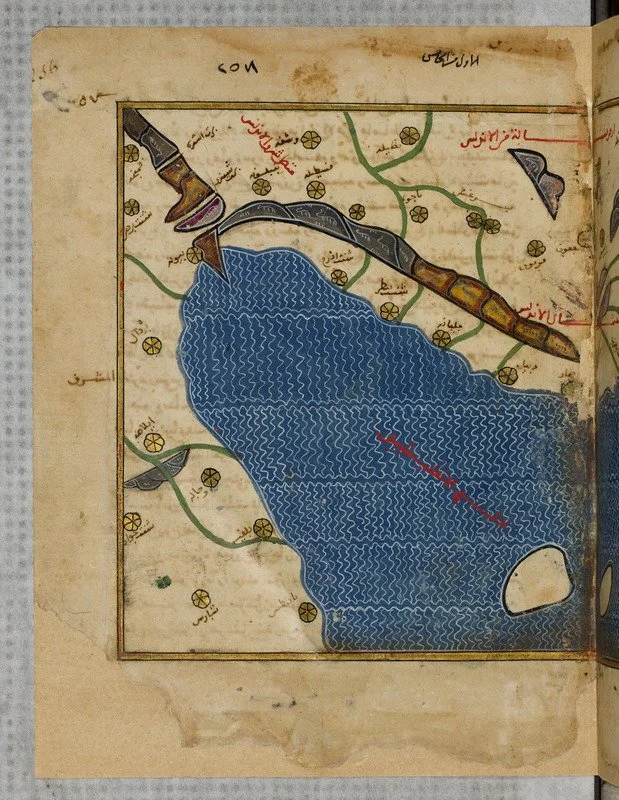
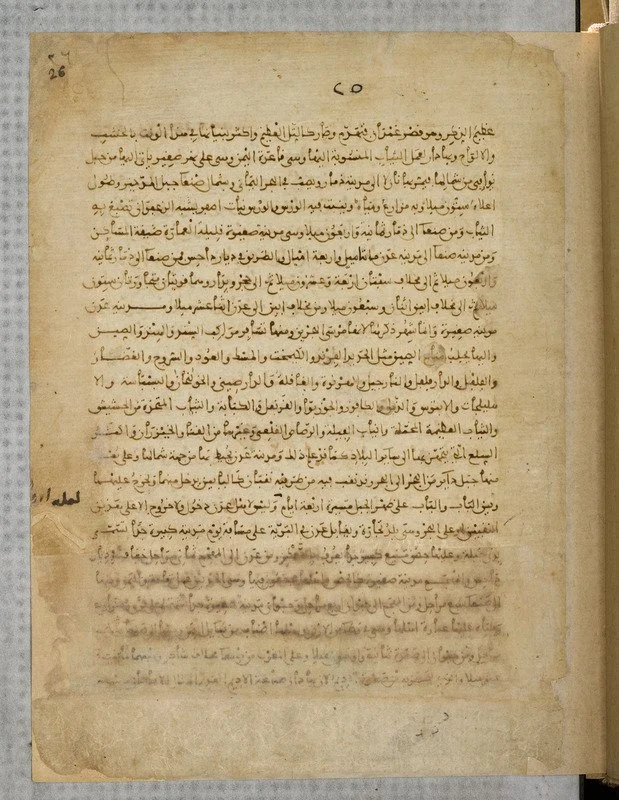
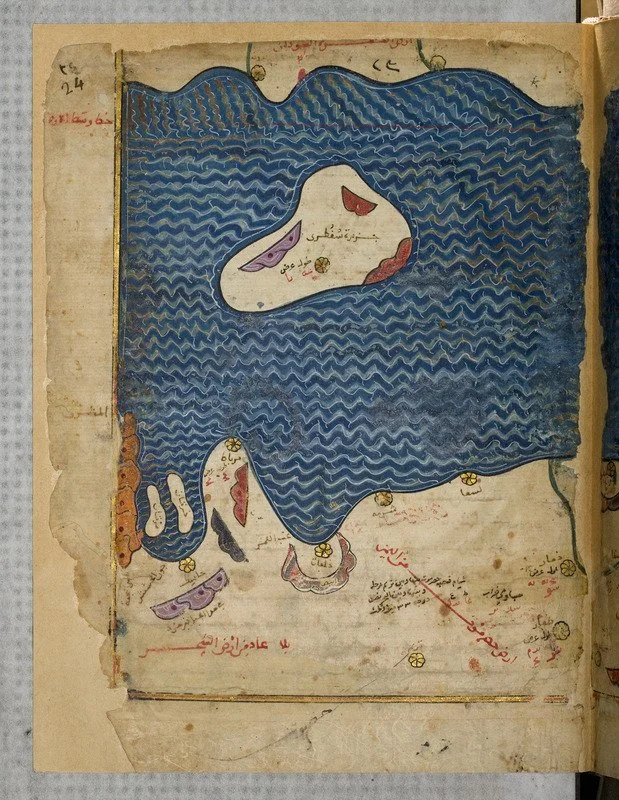
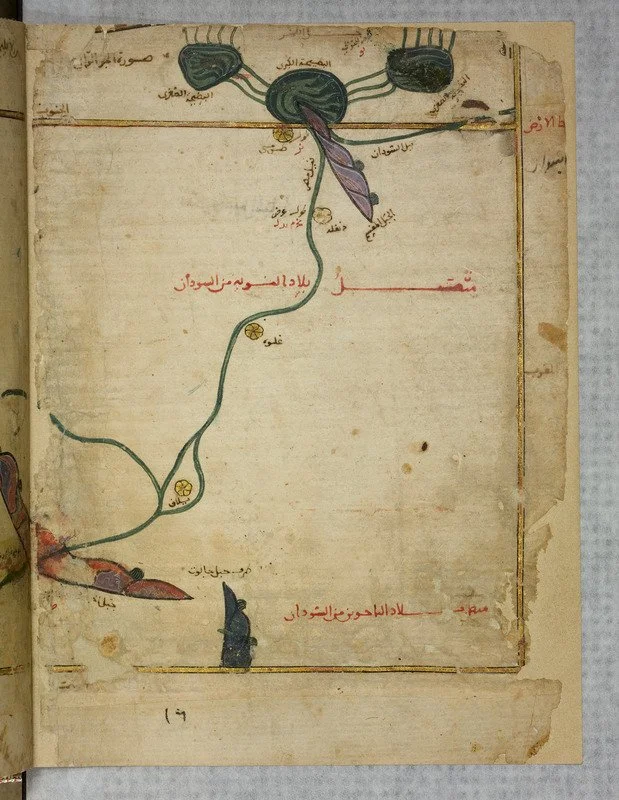
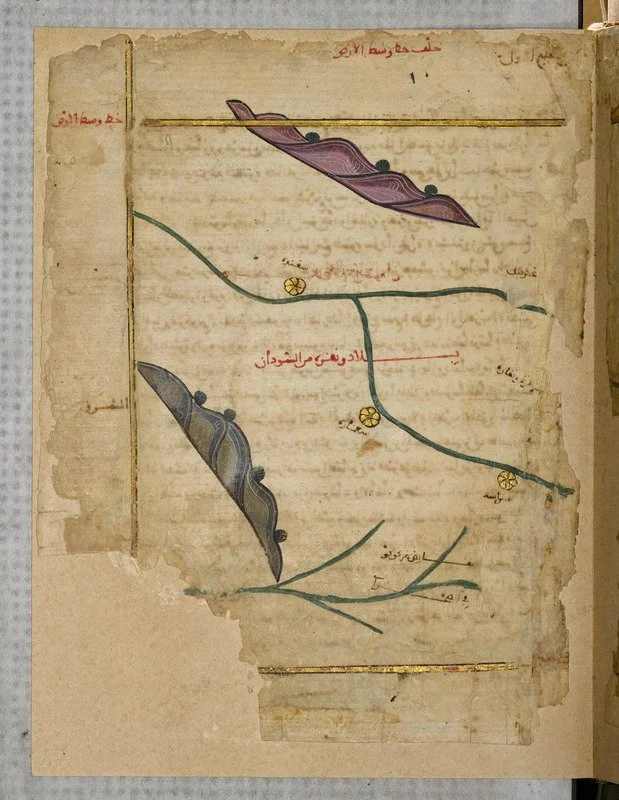
The method was collection and cross-checking. Merchants, sailors, pilgrims and envoys each carried a piece - a coastline, a distance in days, a town name - and al-Idrisi kept what more than one source confirmed. The output was a book, Nuzhat al-mushtāq fī ikhtirāq al-āfāq, and seventy map sections that fit together into a single world. A version was engraved on silver for the court and did not survive. The sections did. In 1928 Konrad Miller reassembled them in Stuttgart into a single map sheet.
We presented this at QSTP AI Week in Doha in 2024. It sat well in a conversation about AI because the drawing was the last step. Everything before it was sourcing, verification and structure - a long, deliberate effort to turn scattered accounts into something usable.
What is worth holding onto is the scale of what became possible. No one in that project could see the whole world. Each contributor held a fragment, and the fragments were worth almost nothing alone. Put together and checked, they produced something no single traveller, court or scholar could have made. It outlasted all of them by eight centuries.
We are in the same position now, with better instruments. The data that would let us understand our cities, regions and resources properly exists, but it is held in pieces, by different parts, in different formats, guarded by habit more than by reason. The work worth doing is the work of assembly. Driven by value and common good intentions.
That is the invitation. Build the parts. Share them. Something larger than any of us can see from here will come out of it.